 Festival International du Film de BretagneLe Festival International du Film de Bretagne présente des films de qualité des cinéastes professionnels ainsi que des nouveaux talents indépendants du monde entier. Cette année, ce festival de film de Locronan projettera le film Breizh in the USA. "Un groupe de musiciens bretons part en tournée à travers les Etats-Unis pour faire connaître la culture de leurs ancêtres..." Jeudi 25 Juillet 18h45 : Venez découvrir "La Bretagne en Amérique" présenté par l’équipe du film : PHILIPPE ORREINDY (réalisateur) et CHARLES KERGARAVAT (participant du film). Film d'Île-de-France en compétition pour le Prix de l'Hermine 2024. 🎥 Breizh in the USA 📅 le 25 juillet 🎞 18h45 📍Espace Ty Lokorn, 9 rue du Four, Locronan, Bretagne
0 Comments
 Pascal Le LibouxEntrez dans le monde du développement économique et de l'innovation avec Pascal Le Liboux, président d'AudéLor et vice-président chargé du développement économique et de l'emploi de Lorient Agglomération. Dans une interview exclusive, Pascal revient sur la genèse des Interceltic Scaling Awards, une initiative inédite visant à mettre en lumière l'innovation au sein des régions celtiques souvent éclipsées par leurs homologues plus vastes. S'appuyant sur les fondations posées par l'Interceltic Business Forum, cet effort promet de catalyser la collaboration et la croissance entre les six nations celtiques. Rejoignez-nous pour découvrir les motivations qui animent cet événement innovant. Pourquoi est-ce le bon moment pour organiser les Interceltic Scaling Awards?L'interceltic Business Forum existe désormais depuis quelques années. Forums, rencontres, conférences, tables rondes ont émaillé ses dernières éditions. Transformer ces échanges en business est l'étape suivant. Pour le faire, la compétition organisée par OCO Global et partenaire est un excellent vecteur d'émulation entre start-up de 6 nations celtes et un premier pas vers des partenariats commerciaux futurs. À quoi doivent s’attendre les gagnants ?Les gagnants recevront un prix en argent : 20 000 euros pour le gagnant et 5000 pour le second et le troisième. Le lauréat bénéficiera également d'une incubation de plusieurs mois dans une autre nation celte et sera accompagné dans son développement par un mentor de cette même nation. De quoi stimuler nos jeunes entrepreneurs à participer aux premiers Interceltic Scaling Awards. Pourquoi est-il important que les gagnants soient announcés lors de L’Interceltic Business Forum cet été ?Le Festival interceltique de Lorient est le grand événement qui, chaque année, réunit la diaspora celte. Forte médiatisation, présence des télévisions nationales et régionales, 950 000 visiteurs en 2023 : quel meilleur endroit pour remettre cette récompense très symbolique des liens étroits entre culture et économie. De plus, 2024 est l'année de la jeunesse celte au FIL : parfait hasard qui devrait voir couronner un jeune créateur lors de ce concours de start up et respecter ainsi la programmation 2024 !  Top Hidden Gems in Pornichet You Must VisitThink you know Pornichet? Think again. This guide reveals the hidden gems that even the locals keep to themselves. From secret beaches to tucked-away cafes, we uncover spots you won’t find in the tourist guides. Ready to explore? Let’s dive in. Discover the Tranquil Beaches of PornichetHidden away from the usual tourist spots, Pornichet’s beaches offer a unique sense of serenity. Unlike busier shorelines, these beaches provide the perfect setting for those seeking a peaceful escape. As you stroll along the shoreline, the gentle waves and soft sands create an idyllic atmosphere, ideal for unwinding after a busy workweek. If you're a fan of water sports, the lack of crowds means more space for activities like kayaking and paddleboarding with minimal interruption. But it's not just the tranquility that sets these beaches apart. The natural beauty of these secluded spots is unmatched. Think pristine waters reflecting clear blue skies and sunsets that paint the horizon in shades of orange and pink. Beaches like Plage des Libraires and Plage de Bonne-Source offer such picturesque settings that you'll feel as though you've discovered a secret paradise. The true allure lies in their ability to make you forget the hustle and bustle of daily life, even if just for a few hours. For a more active experience, some beaches, like the Plage de Sainte-Marguerite, have hiking trails nearby. Exploring these trails reveals stunning cliffside views and hidden coves that are perfect for a private moment of reflection or a scenic picnic. These natural trails are not overly strenuous, making them suitable for all fitness levels and providing an opportunity to connect with nature more intimately. Explore the Historic Sites and LandmarksPornichet is rich in history, boasting landmarks that tell fascinating stories of the past. The Château des Tourelles is an excellent starting point. This 19th-century medieval-style castle offers a peek into the aristocratic life of yesteryears. Visitors can wander through the beautifully maintained gardens and explore the intricately designed architecture. The castle also serves as a wellness center, blending history with modern luxury. s Tourelles. Another site of interest is the Church of Saint-Sébastien. This historical church, built in the early 20th century, presents a fine example of neo-Romanesque architecture. The church’s detailed stained glass windows provide a glimpse into the spiritual and cultural fabric of the region. Moreover, the bell tower offers panoramic views of the city, making the climb well worth the effort. Beyond buildings, the Old Pornichet Seaside District delivers a nostalgic walk through time. It's not just about the architecture but the atmosphere, which hearkens back to the Belle Époque era. As you stroll through these charming streets, take note of the well-preserved homes and quaint shops that once served as the hub for local fishermen and traders. This area offers a compelling juxtaposition between the old and the new, capturing the spirit of Pornichet in a unique way.  Enjoy Local Cuisine and Dining ExperiencesThe culinary offerings in Pornichet are a hidden gem in their own right. Forget generic tourist menus; here, you’ll find authentic local flavors that highlight the region’s culinary prowess. Start with a seafood platter at one of the coastal restaurants. Fresh oysters, mussels, and other shellfish are an absolute must-try, sourced straight from the Atlantic waters. These dishes aren't just meals but experiences, offering a deep dive into the local gastronomy that brings the ocean's bounty to your table. For a taste of traditional Brittany, try the savory crêpes and galettes at a local crêperie. These buckwheat pancakes are often filled with ingredients like ham, cheese, and eggs, delivering a hearty yet flavorful meal. Pair this with a glass of local cider for the full experience. It's a simple yet deeply satisfying way to get to know the local food culture. But it’s not all rustic and traditional; modern cuisine also thrives here. Innovative chefs are taking local ingredients to new heights, blending tradition with innovation. Restaurants such as La Signature offer gourmet experiences that rival any metropolitan dining scene, featuring seasonal menus that emphasize freshness and creativity. Whether it’s a cozy bistro or a fine dining establishment, the culinary landscape of Pornichet ensures there's something to tantalize every palate. Enhancing Your Pornichet Experience- Explore thrilling outdoor adventures unique to Pornichet. - Find the perfect accommodation that fits your budget. - Maximize your stay with valuable tips. Beaches and Water Sports Pornichet's coastline boasts pristine beaches like Bonne Source and Libraires. These spots are perfect for sunbathing, swimming, and enjoying water activities. For those who crave adventure, try windsurfing or kite surfing. The waters are bustling with opportunities to catch some waves. For a more serene experience, consider stand-up paddleboarding or kayaking. Equipment rentals and beginner lessons are readily available. Ensure you check local services for the best deals on gear and guides. Nature Trails and Hiking For land-based adventures, Pornichet offers numerous hiking and cycling trails. The coastal trails around Pointe du Bec provide breathtaking views of the Atlantic. Pack a picnic and spend a day exploring these natural landscapes. Nature reserves like the Brière Regional Natural Park are also worth visiting. This park features marshlands, abundant wildlife, and birdwatching opportunities. Bring binoculars to get the best views of the diverse avian population. Your Next Adventure in Pornichet AwaitsFrom tucked-away beaches to charming local eateries, Pornichet has more to offer than meets the eye. These hidden gems promise unique experiences that go beyond the usual tourist trail. Exploring these spots enriches your travel experience, giving you a deeper connection to the locale and a chance to create unforgettable memories. So, grab your map, jot down these hidden treasures, and set your sights on discovering the magic of Pornichet for yourself. Have you booked your next journey yet? Dive in, explore, and let the lesser-known wonders of this charming town become your next unforgettable adventure.  Jessica Vitale : Learning Breton language in CaliforniaWe are excited to share another story in our Breizh Amerika Profiles series, spotlighting individuals who forge connections between the United States and Brittany. Today we are meeting Jessica Vitale, who is learning Breton language in California. She shares how it is difficult to learn Breton language, especially if the person does not speak French. Read on to discover our interview with Jessica, as she shares her experience discovering and learning Breton language. Tell us about yourself? I was born in Lima Peru in 1970 and lived there for ten years. We lived in Japan for a year and then moved permanently to the United States. My love of Foreign Languages comes from living in Polyglot Los Angeles where I grew up with Korean, Chinese, Vietnamese, Russians, Ukrainians students and of course Hispanic students of all sorts. French is taught in every school in the Los Angeles Unified School District yet very few people come out of it speaking fluent French. I live in a suburb of Los Angeles called Temple City with my husband and two cats. In addition to Foreign Languages, I draw and paint both traditional and digital, do soft sculpture, play the violin and teaching myself piano. In addition to Breton, I have also been learning Japanese with a teacher from Japan, and both Chinese and French with the Duolingo app. Up until last year, I worked doing the digital layout for an English language Armenian newspaper. How did you discover Breton language? Why did you decide to learn it? I love foreign languages and Celtic culture. How I found about Breton is a funny story. My late father-in-law was lying on the couch of our living room watching the movie Black Hawk Down on Netflix. He would fall asleep before the end of the movie and when he would wake up he’d realize that he missed the ending and would rewind the film a bit. He would fall asleep again, wake up, and he would rewind it again. This would happen about 20 times or so. He was also hard of hearing so the TV would be on really loud. The song Gortoz A Ran by Denez Prigent doesn’t come on until the end of the film. As my father-in-law kept rewinding the ending of the film, I had to keep listening to the ending song. At first, I thought it sounded Italian due to the operatic nature of the song but as the repeats kept happening, I began to realize it wasn’t Italian so I got curious. I looked up the credits and found the title, then I found the video on YouTube, then I began to research what the Breton language was and then I fell into the Rabbit Hole of the Breton language and Brittany. I had no idea Brittany was a country within another country with its own language and culture not to mention that it was a Celtic country, and I love Celtic culture. The only thing I knew about Brittany was that it was next to Normandy. Are there a lot of resources for English speakers to learn Breton? Sadly no. In the introduction to the English version of Brezhoneg Buan hag Aes, (Breton Quick and Easy) says that, “the lack of books in Irish, Welsh, or English to help the student of Breton has disheartened many a speaker of those languages and prevented their achieving success in the study of Breton which they had hopefully started to pursue on their own.” If it wasn’t for the fact that I find learning Foreign Languages fun, I would’ve given up a long time ago. What are the best resources you’ve found? The resources are rather scattered all over the place. The site Kervarker is good but it is really old and looks like it hasn’t been updated since the 90s. It is mostly based on the book Ni a Gomz Brezhoneg by Mark Kerrain. It’s a good starting off point. Skol Ober is supposed to be a correspondence learning site, but it seems to be mail correspondence (who does that these days?). According to the site, you are supposed to full out a form and mail it to them along with 40 Euros (I live in the U.S) They have some examples of exercises and instruction and some helpful links. Sked is another place that now offers courses for English speakers. I haven’t tried it yet but I might. Glosbe is supposed to be an all language dictionary site. You have to dig deep to find Breton in the sub-language section and it is over reliant on Artificial Intelligence. It is not always reliable from English to Breton but more so reliable from French to Breton (of course). The YouTube channel, web site, and app Brezhoweb is good for listening to the language, specially ALL the dialects. They have short segments that deal with the language and grammar but it is not in English. There are some videos on their site with English subtitles. Also, they provide subtitles in Breton so one can listen to along with the speech. That’s when you can tell the differences in pronunciation. Made e Breizh is my favorite segment. Another You Tube Channel is Tepod Mab Kerlevenez has short videos on the Breton language with English subtitles. A reading of the Breton version of The Hobbit whose translator was featured in Breizh- Amerika, can be found the You Tube channel Evertype. One interesting source I found was a website called Academia. It is a repository for academic papers of all sorts. I initially came across this site while trying to find sheet music. Because of cookies, it found out that I was studying Breton and soon bombarded me with papers that I might be interested in. One suggestion was a very extensive Breton to French dictionary which I have made it my mission to translate the French part to English and to make a version from English to French. I have added to it words in the small dictionary currently available and plan to add more. There are other interesting academic papers in English on the Breton language itself. As for books I’ve found Breton Grammar (English version) by Roparz Hemon. Kemmadur ha Plijadur and Ni a Gomz Brezhoneg by Mark Kerrain are good but they are for French speakers. Breton Quick and Easy and Colloquial Breton are for English speakers but they are both out of print. Tell us about your future website project? My ideal website would be audio visual. The visual part is not a problem but audio resources is what I would like and I don’t completely trust my pronunciation of Breton. The most troublesome aspect of learning languages with a book is the pronunciation guide. There are so many debates about the pronunciation of the language as it is. Ideally, I would probably start with the alphabet and its pronunciation, then move on to a searchable verb conjugation and searchable dictionary, and interactive conversation. It would with the alphabet and pronunciation. The worst thing about learning with books are the pronunciation guides. It’s always best to hear them rather than trying to imagine what it would sound like. Here’s an example of what that might look like: If I started with a pronunciation guide with the Breton alphabet, it would look like this:  I would go through the entire Breton alphabet with visual and sound examples. Then I’d like to add a searchable dictionary from Breton to English and English to Breton Breton to English aes adj. ↪ easy ↪ easily ↪ ease ↪ comfortable ↪ convenient ◊ aes-kenañ ↪ that simple ◊ n'eus netra aes ↪ nothing is easy ◊ aes-tre ↪ naturally (really simple) ◊ aes a-walc'h ↪ naturally (simple enough) ◊ aes Bernez! ↪ at ease Bernez! ◊ aes d'ober gantañ ↪ convenient ↪ practical adj. ↪ functional English to Breton dark a ↪ teñval ↪ du ◊ get darker ↪ teñvalaat ◊ get dark in the evening ↪ noziñ ◊ (thus) dark ↪ noz ◊ darker ↪ nosoc’h Verb Conjugation debriñ (to eat) Present Me a zebr pesked alies I eat fish often Conversation: Future Me a zebro pesked alies I will eat fish often Past Me a zebre pesked alies I ate fish often This would be best if it was video based. My idea is, you would see two people having a basic conversation while looking at each other, then in the next segment one of the two characters would look into the camera saying their lines while the viewer is expected to say the other character’s lines by reading the subtitles. This is something I’ve seen with other languages I would also a repository for articles and papers related to the Breton language, and there would also be other things like reading and comprehension, etc.  Ker en breton : signification, histoire et omniprésence dans la toponymie et l'anthroponymie6/3/2024  Ker en bretonLe terme "ker" est un élément incontournable de la langue bretonne, dont la présence se retrouve dans d'innombrables noms de lieux et de famille. Véritable marqueur de l'identité bretonne, il témoigne de l'histoire et de la richesse culturelle de cette région. Signification et évolution du terme "ker"À l'origine, "ker" signifiait "place forte" ou "citadelle" en breton, un sens que l'on retrouve dans les termes apparentés "Caer-" en Galles et en Cornouailles. Cependant, dès le Xe siècle, le mot a évolué en Bretagne pour désigner une "ville", une "agglomération urbaine", puis un simple "village", perdant ainsi sa connotation militaire. Omniprésence de "ker" dans la toponymie bretonneLa toponymie bretonne est profondément marquée par la présence de "ker". Dans le seul département du Finistère, on recense plus de 9 000 toponymes comportant cet élément, tandis que les Côtes-d'Armor en comptent plus de 4 200 dans leur partie bretonnante, et le Morbihan près de 4 500. La Loire-Atlantique, bien que moins bretonnante, en compte tout de même 385. À cela s'ajoutent les toponymes en "Car-", variante de "Ker-", dont on dénombre 178 occurrences dans l'ancienne partie bretonnante d'Ille-et-Vilaine et de Loire-Atlantique. Les toponymes en "Ker-" sont généralement composés d'un second élément qui peut être un nom propre (probablement celui de l'ancien chef du village), un terme géographique ou une épithète évoquant l'importance du lieu. Parmi les plus répandus, on trouve Kerangall, Keransquer, Kerautret, Kerbiriou, Kerdanet, Kerdraoñ, Kergrist, Kerloch ou encore Kermarec.  "Ker" dans l'anthroponymie bretonneL'influence de "ker" ne se limite pas à la toponymie bretonne, elle se retrouve également dans l'anthroponymie, donnant naissance à de nombreux patronymes. L'un des exemples les plus célèbres est celui de l'écrivain américain Jack Kerouac, dont le nom de famille trouve ses racines dans la langue bretonne. Cette abondance de toponymes en "Ker-" a naturellement engendré pas moins de 470 noms de famille bretons composés de cet élément. Parmi les plus fréquents, on peut citer : Kerangal : Nom breton désignant celui qui habite le lieu-dit Kerangal ou Kerangall, ou qui est originaire d'un hameau portant ce nom. Le toponyme est fréquent en Bretagne, notamment dans le Finistère. Ker signifie village, groupe de maisons, et -angal semble formé sur Gall (nom de baptême ou bien celui qui vient de France), précédé de l'article an. Kerangoarec : Désigne celui qui est originaire de Kerangouarec, hameau de la commune d'Arzano (29). Variante : Kerangouarec. Le patronyme est porté dans le Morbihan. Signification : le hameau (ker) de Goarec (breton gwareg = lent). Kerbinibin : Originaire de Kerbinibin, hameau de la commune de Plogastel-Saint-Germain (29). Si le premier élément du toponyme est bien connu (ker = hameau), le second est plus mystérieux. Peut-être un ancien nom de personne breton. Plusieurs personnes proposent cependant 'le bon joueur de biniou'. Kerdraon : Nom breton (29) fréquent à Plougastel-Daloulas. Désigne celui qui habite le lieu-dit appelé Kerdraon ou qui en est originaire. Signification du toponyme : ker = groupe d'habitations, hameau + draon (traon) = la vallée, le bas. Kergall : Désigne celui qui est originaire de Kergall, toponyme très fréquent en Bretagne (29 hameaux dans les départements 22, 29 et 56). Sens du toponyme : le hameau (ker) de (le) Gall, nom de personne et surnom lui aussi très répandu, voir Le Gall. Kergrohen : Celui qui est originaire de Kergrohen, nom de quelques hameaux bretons, notamment dans les communes de Brignogan-Plage (29) et Saint-Igeaux (22). Sens du toponyme : le hameau (ker) de Grohen, nom de personne à rattacher au gallois crochan (= glouton, vorace). Kerinec, Kérinec : Désigne celui qui est originaire de Kerinec, nom de plusieurs hameaux, presque tous dans le Finistère (notamment à Plomodiern, Plouzévédé, Poullan-sur-Mer). Sens du toponyme : le hameau (ker) de Hinec, ancien nom de personne formé sur le breton hin (= ancien, vieux). Keriven, Kerivin : Originaire de Keriven ou Kerivin, nom de nombreux hameaux situés pour la plupart dans le Finistère. Sens du toponyme : le hameau (ker) d'Iven (voir Evain). Kermadec : Les noms bretons commençant par Ker sont des toponymes, sur lesquels se sont ensuite formés de nombreux patronymes. Le mot ker signifie hameau, village. Ici, le second élément Madec est un nom de personne breton dérivé de l'adjectif mad (= bon). Kermadio (de) : Celui qui a détenu la seigneurie de Kermadio, nom de diverses localités du Morbihan. Puisqu'il s'agit d'une seigneurie, il devrait s'agir du château de Kermadio à Pluneret. Sens du toponyme : le hameau, le village (ker) de Madio, équivalent vannetais de Madiou, diminutif du vieux breton mad (= bon, chanceux, fortuné). Kermeur : Surtout porté dans les Côtes-d'Armor, désigne celui qui est originaire de Kermeur, nom de très nombreux hameaux bretons. Sens du toponyme : le hameau (ker) de Meur, le Meur (voir Le Meur). Kerneur : Porté dans le Morbihan, désigne celui qui est originaire de Kerneur, nom de hameaux à Pluvigner (56) et Plougastel-Daoulas (29). Sens du toponyme : le hameau (ker) de Naour, Le Naour, un nom formé sur aour (= or). Kerouanton : Nom assez fréquent en Bretagne (29, 22). Désigne celui qui est originaire de la localité de Kerouanton (commune de Lopérec, 29). Le toponyme est formé avec ker (lieu habité, hameau, village) suivi d'un éventuel *Rouanton (dérivé du vieux breton roiant = royal, selon A. Deshayes). Kerrien : Nom breton. Désigne celui qui est originaire du village de Kerrien (29), de Kérien (22), ou encore de Querrien (29, également hameau à La Prenessaye, 22). On trouve les racines ker (= village, hameau) et Rien (nom de personne, diminutif du vieux breton ri = roi). Kerrien a été également utilisé comme nom de personne : il existe un saint Kerian, compagnon de saint Ké (ou saint Kay), qui aurait été enterré à Cléder. Keruzoré : Désigne celui qui est originaire du hameau de Keruzoré à Saint-Servais (29). On trouve également Keruzoret à Plouvorn et Ploumoguer. Sens du toponyme : le hameau (ker) de Buzoré, nom de personne formé sur les racines bud (= victoire) et uuzoret (= secours) ou uuere (= élevé). Kervella : Originaire de Kervella, l'un des nombreux noms bretons formés à partir de la racine ker (= village, hameau). Kervella est un nom de village assez fréquent dans le Finistère. Vella correspond à la racine gwellan (= meilleur). Kervoern : Rencontré en Bretagne (22, 29), désigne celui qui est originaire d'une localité appelée Kervoern (ker = hameau + voern, sans doute vern = l'aulne). On trouve des hameaux appelés Kervoern à Ploubezre et Trédarzec (22), mais il y a aussi beaucoup de lieux-dits Kervern, qui ont le même sens. Leydecker, Leydekkers : Sans doute flamand, le nom renvoie au néerlandais Leyendecker, qui correspond au métier de couvreur en ardoises. Kervizic : Désigne celui qui est originaire de Kervizic, hameau de la commune de Kerlouan (29). Sens du toponyme : le hameau (ker) de Buzic, ancien nom de personne breton, diminutif de bud (= victoire). Kerboul : Désigne celui qui est originaire de Kerboul, nom de hameaux à Combrit et à Esquibien (29). Sens du toponyme : le hameau (ker) de la mare (poull). Variante : Kerboull. Kerjean : Nom porté dans le Finistère (variantes Kerjan, Kerjouan, Kerjoan et Kerjoant dans le Morbihan). Désigne celui qui est originaire d'un hameau appelé Kerjean (= le hameau de Jean), toponyme très répandu en Bretagne (plus de cent hameaux !). Kerr : Nom porté en Grande-Bretagne, notamment en Ecosse, rencontré aussi sous les formes Carr et Ker. Désigne celui qui habite un lieu-dit Kerr. Sens du toponyme : lieu broussailleux et marécageux (vieux scandinave kjarr). Kerbaol : Désigne celui qui habite Kerbaol, nom de quatre hameaux du Finistère, à Plourin, Poullaouen, Saint-Urbain et Plourin-lès-Morlaix. Sens du toponyme : le hameau (ker) de Paol (= Paul). Variantes : Kerbaul, Kerbol, Kerboul, Kerboull. Pour ces dernières formes, notons qu'il y a des hameaux appelés Kerboul à Esquibien et à Combrit (29). D'autres hameaux se nomment Kerbol, dans les Côtes-d'Armor et le Morbihan. Kermabon : Désigne celui qui est originaire de Kermabon, nom de treize hameaux bretons, dont sept dans le Finistère. Sens du toponyme : le hameau (ker) de Mabon, un ancien nom de personne de sens obscur, rencontré dans la mythologie galloise et les chansons de geste. On en fait parfois le cas-régime de mab (= fils). Kerautret : Porté dans le Finistère, désigne celui qui habite un lieu-dit Kerautret, le hameau d'Autret. Le toponyme est très répandu dans le Finistère (une bonne vingtaine de mentions). Variante : Kerotret. Autret est un ancien nom de personne, peut-être *Altret (racines alt = allié et ret = utile, selon Albert Deshayes), peut-être diminutif de Auter, nom de personne d'origine germanique (voir Authier). On le retrouve dans le nom de famille Abautret (= le fils d'Autret). Kerckx : Forme génitive de Kerck, qui correspond au néerlandais kerk (= église). Soit celui qui habite près de l'église, soit celui qui travaille pour l'église. Kervarec : Nom surtout porté dans le Finistère. Variantes : Kervarrec, Kervarech (56, 29). Désigne celui qui est originaire de Kervarec, nom d'un hameau à Quistinic (56), mais surtout de Kermarec (le m s'étant transformé en v, peut-être par attraction du mot varech), nom d'une bonne vingtaine de hameaux. Signification : le hameau (ker) de Marrec, ancien nom de personne auyant le sens de cavalier (dérivé de marc'h = cheval). Kerguelen : Kerguelen ou Kerguélen est un toponyme très répandu en Bretagne. Si le premier élément (ker) ne pose aucune problème (= hameau), le second peut être interprété de deux façons : il semble désigner le houx (kelenn), mais il faut aussi penser à un nom de personne, Quélian (à rapprocher sans doute de l'irlandais Killian). Variante : Kerguélin. Kerling : Malgré ses allures germaniques et la présence d'une commune appelée Kerling en Moselle, c'est un nom breton désignant celui qui est originaire de Kerling, hameau à Plozévet, dans le Finistère. Le toponyme est formé sur le mot ker (= hameau), le second élément étant plus obscur. Keromnes : Ou Keromnès. Comme pour la plupart des noms bretons commençant par ker-, il s'agit d'un toponyme (ker = hameau), en l'occurrence le hameau d'Omnès (voir ce nom). Il existe une bonne dizaine de hameaux appelés Keromnès, tous dans le Finistère. Kergosien : Surtout porté dans le Morbihan, le nom désigne le hameau (ker) de Gosien, équivalent de Gouzien (ancien nom de personne formé sur la racine uuoed = cri de guerre). Variante : Kergozien. Kerloegan : Nom porté dans le Finistère, où l'on trouve la forme voisine Kerloeguen. Il désigne celui qui est originaire de Kerloeguen, hameau à Pluguffan (29). Signification : le hameau (ker) de Gloaguen, nom de personne breton (gloeu = clair, brillant + ken = beau). Kerfontain : Porté dans le Morbihan et la Loire-Atlantique, désigne celui qui habite Kerfontaine, nom de plusieurs hameaux bretons (= le hameau de la fontaine, de la source). Variante rare : Kerfontan. Kerouerts : Le nom, très rare, se rencontre en Normandie mais semble d'origine bretonne. Ce devrait être une variante de Kerouartz, désignant celui qui est originaire du village du même nom (commune de Lannilis, 29). Kerzerho : Désigne celui qui est originaire de Kerzerho, nom de deux hameaux du Morbihan, à Erdeven et à Languidic. Variantes : Kerzéro, Kerzreho, Kerserho. C'est un toponyme formé sur le breton ker (= hameau), le second élément étant plus obscur : A. Deshayes propose un éventuel nom de personne dérivé de serc'h (= amour). Kermagoret : Porté dans le Finistère et le Morbihan, désigne celui qui habite Kermagoret, autrement dit le hameau (ker) fortifié, entouré de murailles (magorec). Kermagoret est le nom d'un hameau à Mellac (29). Kerbarh : Nom porté dans le Morbihan. Variantes : Kerbach, Kerbah, Kerbart. Désigne celui qui habite Kerbarh (ou formes voisines), nom de plusieurs hameaux du Morbihan. Signification : le hameau (ker) de (Le) Barh (voir Le Bars). Kerloc'h : Plus courant sous la forme Kerloch, le nom est porté dans le Finistère. Il désigne celui qui est originaire de Kerloc'h, nom de très nombreux hameaux bretons. Signification : le hameau du lac, de l'étang. Kerdudo : Le nom est surtout porté dans le Morbihan. Variante : Kerdudou. Il désigne celui qui est originaire de Kerdudo, nom d'un château à Guidel (56), ou de Kerdudou, hameaux au Faouët (56) ou à Collorec et Locunolé (29). Signification : le hameau (ker) de Tudo, ancien nom de personne breton (racine tud = peuple). Kergoat : Assez fréquent dans le Finistère, désigne celui qui est originaire de Kergoat, le hameau du bois (ker + coat), toponyme très fréquent en Bretagne. Variantes : Kergoët (22), Kergouet (56). Kerfanto : Porté dans le Morbihan, désigne celui qui est originaire de Kerfanto, un toponyme que l'on rencontre sous la forme Kerfantot, ferme ruinée à Saint-Thuriau (56). La forme voisine Kerfant (variante Kerfante) renvoie pour sa part à des hameaux des Côtes-d'Armor, à Lanmérin et Pommerit-le-Vicomte. Le premier élément (ker) signifie 'hameau', le second est plus obscur. Kerdranvat : Porté dans le Finistère, désigne celui qui est originaire d'un ancien hameau appelé Kerdranvat (ou Kerdravant). Aucune idée sur la localisation de ce toponyme, ni sur le sens de Dranvat. Par contre, ker = hameau, c'est la seule certitude ! Kerneis : Fréquent dans le Finistère, désigne celui qui est originaire de Kerneiz, Kerneis, nom de divers hameaux de ce département. Sens incertain : le 'hameau du nid' (breton neizh) ne veut pas dire grand-chose. Neis pourrait être ici un nom de personne. Kermarrec : Désigne celui qui est originaire de Kermarrec (= le hameau de Marrec, voir ce nom), nom de divers hameaux bretons. Le patronyme est surtout porté dans le Finistère. Variantes : Kermarec, Kermarc. Voir aussi Kervarec. Kerambrun : Porté dans les Côtes-d'Armor, désigne celui qui est originaire d'un hameau appelé Kerbrun (ker = hameau + An Brun = Le Brun), toponyme assez fréquent dans ce département. Keramoal : Rare et porté dans les Côtes-d'Armor, désigne celui qui habite le hameau (ker) de An Moal (= Le Moal, le chauve). Variante : Kermoal. Keraudren : Fréquent dans le Finistère, c'est un toponyme fréquent en Bretagne (= le hameau d'Audren, voir ce nom). Avec le même sens : Keraudran (56). Kerchrom, Kerc'hrom : Porté dans le Finistère, devrait désigner celui qui est originaire de Kerchrom, hameau à Combrit (29). Signification : le hameau de celui qui s'appelle (Le) Crom (= celui qui est bossu, courbé). Kerhervé : Porté dans le Finistère, désigne celui qui habite un hameau appelé Kerhervé (le hameau d'Hervé, ker = hameau), toponyme très répandu dans ce département. Kerébel : Porté dans le Finistère, désigne celui qui est originaire de Kerébel, hameau à Guipronvel (29). Le terme "ker" signifie "hameau". Quant à "-ébel", c'est un surnom correspondant au breton "ebeul" (= poulain)." Kerfriden : Porté dans le Finistère, le nom s'écrit aussi Kerfrident, Kerfridin. Il désigne celui qui habite Kerfriden, hameau à Trégoat (29). Signification : le hameau (ker) de Friden, Fridin, sans doute nom de personne d'origine germanique formé sur la racine frid (= paix). Kerglonou : Nom breton désignant celui qui habite un hameau ainsi nommé (il en existe à Plouarzel et à Ploumoguer, dans le Finistère). Signification : le hameau (ker) de Glonou, sans doute nom de personne médiéval (Deshayes y voit un ancien Clutgnou, formé sur les racines clut = gloire et gnou = connu). Kergourlay : Nom breton renvoyant à Kergorlay, ancien fief situé à Motreff (29). Le nom de famille est aussi écrit Kergoulay (à noter également le nom noble de Kergorlay). Le toponyme désigne le hameau (ker) de Gourlay (voir Gourlet). Kerisit, Kérisit : Porté dans le Finistère, le nom correspond au breton kerizid, variante de kerezeg (= cerisaie). De nombreux hameaux ou lieux-dits du Finistère s'appellent Kérésit, Kérisit. Kermaïdic : Désigne celui qui est originaire de Kermaidic, hameau à Plourin-Ploudalmézeau (29). Le mot "ker" signifie "hameau", le second élément étant sans doute un ancien nom de personne." Kermorgant : Porté dans le Finistère, devrait désigner celui qui est originaire de Kermorgant, hameau au Cloître-Saint-Thégonnec (29). Signification : le hameau (ker) de Morgant (nom de personne similaire à Morgan, voir ce nom). Kerurien : Porté dans les Côtes d'Armor, désigne celui qui est originaire de Kerurien, hameau à Grâces (22). Signification du toponyme : le hameau (ker) d'Urien (voir ce nom). Kernévez : Porté dans le Finistère, le nom s'écrit aussi Kernévès. Il signifie "le nouveau hameau, le nouveau village", toponyme fréquent en Bretagne. Avec le même sens : Kernévé (56), Kernével (29)." Kerriguy : Désigne celui qui est originaire de Kerriguy, hameau à Daoulas (29). Variante : Kériguy (graphie erronée : Kérigny). Signification lieu rocheux (breton karrigi, kerrigi). Kersaho : Porté dans le Morbihan, désigne celui qui est originaire de Kerserho, hameau à Languidic (56). Variantes : Kerserho, Kerzerho, Kerzero, Kerzreho. Le premier élément du nom signifie hameau, village, le second étant selon A. Deshayes un ancien nom de personne, *Serc'hou, diminutif de serc'h (= amour). Kervahu : Egalement écrit Kervahut, désigne celui qui est originaire de Kervahut, hameau à Plonéour-Lanvern (29). Kervéadou : Désigne celui qui est originaire de Kervéadou, nom de hameaux à Baye, Rédené et Tréméven (29). Signification : le hameau, le village (ker) de *Béadou, sans doute nom de personne formé sur le latin beatus (= heureux), selon A. Deshayes. Avec le même sens : Kervédaou, Kervédou. Kerveillant : Egalement écrit Kervaillant, désigne celui qui est originaire de Kerveillant (ou Kervaillant), nom de divers hameaux bretons. Signification : le hameau (ker) de Vaillant (voir ce nom). Kerf : Nom très rare porté dans le Nord, un peu plus fréquent en Belgique, de sens incertain. Il a pu désigner un balafré (moyen néerlandais kerf = entaille). Avec génitif de filiation : Kerfs. Kerhrom : Le nom est porté dans le Finistère. Egalement écrit Kerhom, c'est une variante de Kerchrom (voir ce nom). Kersauzon (de) : Ou Kersauson. Le nom, surtout porté dans le Finistère, renvoie à une localité du même nom. On pensera surtout à Kersauzon, dans la commune de Sibiril (29), d'autres hameaux portant cependant le même nom dans le Finistère et les Côtes-d'Armor. Signification : le hameau, le village (ker) de Sauzon (= le Saxon). Kervévan : Le nom est surtout porté dans le Finistère. Variantes : Kervévant, Kervéven. Il désigne celui qui est originaire du hameau de Kervévan à Meilars (29). Signification du toponyme : le hameau, le village (ker) de Bévan (voir ce nom). Kerenfors : Rare, le nom est porté dans le Finistère et la Loire-Atlantique. Variante : Kerenfort. Forme ancienne : Keranfors. Il désigne celui qui est originaire de Keranfors, Kerenfors, nom de hameaux ou de fermes à Guimiliau, Plougonvern et Plouigneau (29). Le terme "ker" a le sens de "hameau, village". On trouve ensuite l'article "an" (= "le"), le dernier élément étant obscur : on peut éventuellement penser à l'adjectif français "fort", ou encore à l'ancien français "force" (= forteresse)." Kerbrat : Assez fréquent dans le Finistère, désigne celui qui est originaire de l'un des nombreux hameaux ou lieux-dits appelés Kerbrat dans ce département. Signification : le hameau, le village (ker) du pré (prat). Kerignard : Porté dans le Morbihan, désigne celui qui est originaire de Kerignard, hameau à Sarzeau (56). Signification du toponyme : le hameau (ker) de Hignard (voir ce nom). Kervoal : Le nom est porté dans le Finistère. Il désigne celui qui est originaire de Kervoal, nom de hameaux ou de fermes à Beuzec-Cap-Sizun, Huelgoat, Meilars, Poullan-sur-Mer et Treouergat, toutes ces communes se trouvant dans le Finistère. Autre hameau à Elven (56). Signification : le hameau (ker) de Rivoal (voir ce nom). Kervoalen : Porté dans le Finistère, désigne celui qui est originaire de Kervoalen, nom de hameaux à Garlan, Plovan et Rosnoen (29), ainsi qu'au Vieux-Marché (22). Signification : le hameau (ker) de Goalen (voir ce nom). Kerduel : Désigne celui qui est originaire de Kerduel, nom de hameaux bretons à Moelan-sur-Mer (29), Lignol et Plouay (56). A noter aussi le château de Kerduel à Pleumeur-Bodou (22). Sens du toponyme : le hameau (ker) de Tuel, ancien nom de personne (voir Tual). Kervinio : Porté dans le Morbihan, désigne celui qui est originaire de Kervinio, hameaux à Lanvaudan, Ploemeur et La Trinité-sur-Mer (56). Signification : le hameau (ker) de Guinio, nom de personne également présent en Morbihan. Kerbouët : Porté dans le Morbihan, désigne peut-être celui qui est originaire de Kerbouër, hameau à Lanvenegen (56). Signification : le hameau (ker) de celui qui s'appelle Bouer, Le Bouer (= le sourd, variante de "bouzar")." Kergustan : Nom porté dans le Morbihan. Autres formes : Kergustanc, Kergustant. Il désigne celui qui est originaire de Kergustanc, hameau à Locmalo (56), éventuellement de Kergustans à Plomodiern (29). Signification : le hameau (ker) de Gustan (nom de personne qui pourrait correspondre à Justin ?). Keryel : Désigne celui qui est originaire de Keryel, nom de divers hameaux bretons : à Plougonvelin, Plounéour-Menez et Tréglonou (29), ainsi qu'à Kervignac (56). Sens du toponyme : le hameau (ker) de Rihael, nom de personne breton mentionné dans le cartulaire de Redon. Avec le même sens : Keriel, Kerriel, Keryell (d'autres hameaux s'appellent Keriel ou Kerriel). Kercret : Porté dans le Morbihan, désigne celui qui est originaire de Kercret, nom de deux hameaux à Ploemel (56) : Kercret-Ihuel et Kercret-Izel (Kercret d'en haut et Kercret d'en bas). Le premier élément du nom (ker) signifie "hameau", le second est assez obscur. Il faut sans doute y voir le breton "kred" (= caution, confiance), peut-être utilisé comme nom de personne." Kerambellec : Désigne celui qui est originaire de Kerambellec, nom de dix-huit hameaux bretons situés dans le Finistère ou les Côtes d'Armor. Signification du toponyme : le hameau (ker) de celui qui s'appelle Le Bellec (en breton An Bellec), autrement dit "le prêtre". Le nom de famille est surtout porté dans les Côtes d'Armor. Variante : Kerembellec." Keradec : Rare et porté dans le Finistère, désigne celui qui est originaire de Keradec, nom de trois hameaux de ce département : à Commana, Plourin et Kersaint-Plabennec. Si l'élément "ker" signifie hameau, l'ensemble du nom est plus obscur (le mot breton "hadeg" signifie "semis", c'est une solution éventuelle)." Keradennec : Porté dans le Finistère, désigne celui qui est originaire de Kerradennec, Kerradénec, nom de près d'une trentaine de hameaux ou de fermes, pour la plupart dans le Finistère. Signification : le hameau (ker) de la fougeraie (radeneg). Keraël, Kerael : Rare et porté dans le Finistère, désigne celui qui est originaire de Keraël, nom de dix-huit hameaux ou fermes situés pour la plupart dans le Finistère, parfois dans les Côtes-d'Armor. Signification : le hameau (ker) de Haël, ancien nom de personne ("hael" = noble, magnanime)." Keraën : Egalement écrit Kérain, Kerraën, Kerrain, le nom est porté dans le Finistère. Il désigne celui qui est originaire de Keraën, hameau à Saint-Thois (29), ou de Kerrain à Scrignac (29) et à Plumergat (56). Si le mot "ker" signifie "hameau", le second élément est plus incertain. A. Deshayes le rapproche du mot gallois "rhain" (= raide)." Kerallan : Porté dans le Finistère, désigne celui qui est originaire de Kerallan, nom d'une douzaine de hameaux ou fermes bretons. Signification : soit le hameau (ker) d'Allan (voir ce nom), soit le hameau de la lande ("an lann"), A. Deshayes signalant que plusieurs de ces lieux sont notés Keranlan dans les documents anciens." Keramanach : Ou Keramanac'h. Porté dans les Côtes-d'Armor, désigne celui qui est originaire de Keramanac'h, hameaux à Plounévez-Moëdec (22), à Lanneuffret et Taulé (29). Signification : le hameau (ker) du moine ("an manac'h"), ou de celui qui s'appelle Le Manach, Le Manac'h. Avec le même sens, les formes Kermanach, Kermanac'h (29) renvoient à une dizaine de hameaux ainsi appelés (22, 29). Autre variante : Kermanec (22)." Kerambloch : Ou Kerambloc'h. Le nom est porté dans le Finistère. Il désigne celui qui est originaire de Kerambloc'h, nom de deux hameaux à Loc-Eguiner-Saint-Thégonnec et à Sizun (29). On pensera aussi à Keramblouc'h, autre hameau à Trézény (22). Signification : le hameau de celui qui s'appelle Le Bloch (breton "bloc'h" = entier ou glabre)." Keramborgne : Porté dans les Côtes-d'Armor, devrait désigner celui qui est originaire de Keramborgne, hameau à Trégunc (29), ou de Keramborn, nom de trois hameaux à Loguivy-Plougras, Le Vieux-Marché (22) et Plounéour-Ménez (29). Signification : le hameau (ker) du borgne (breton "an born")." Kerdavid : Surtout porté dans le Morbihan, désigne celui qui est originaire de Kerdavid, nom d'une quarantaine de hameaux bretons. Signification : le hameau (ker) de David, nom de personne. Kerdelhué : Surtout porté dans le Morbihan, devrait désigner celui qui est originaire de Kerdalhué, hameau à Guidel (56). Signification : le hameau (ker) situé sur une hauteur (breton "al laez")." Kerviche : Surtout porté dans le Morbihan, c'est un nom que les plus anciennes mentions connues situent à Ambon (56) depuis le XVIe siècle. Il désigne celui qui est originaire d'un lieu ainsi appelé (ker = hameau). On peut certes faire le rapprochement avec Kervich, hameau à Plougonver (22), mais celui est bien loin de la région concernée. On trouve par contre dans le Morbihan pas mal de hameaux appelés Kerbic ou Kervic, par exemple Kervic à Locmaria. C'est une solution géographiquement plus séduisante, mais douteuse du point de vue phonétique. Kermorvant : Porté dans le Morbihan, peut désigner celui qui est originaire de Kermorvant, hameau à Moustoir-Ac (56), ou encore de Kermorvan, nom de plusieurs dizaine de hameaux bretons. Signification : le hameau (ker) de Morvan (voir ce nom). Variantes : Kermorvan, Kermovant. Kerourédan : Surtout porté dans le Finistère, désigne celui qui est originaire de Kerourédan, hameau à Quéménéven (29), ou encore de Kerorédan à Plogonnec (29). Sens du toponyme : le hameau (ker) de Uuoretan, nom de personne plusieurs fois cité dans le cartulaire de Redon. Kervazo : Porté dans le Morbihan (variante rare : Kervaso), désigne celui qui est originaire de Kervazo, nom de divers hameaux de ce département : à Brech, à Limerzel, à Locoal-Mendon, à Malguénac et à Priziac. Le premier élément ("ker") a le sens de village, hameau. Le second, plus incertain, pourrait être un diminutif de "gwazh" (= ruisseau). Kerlau : Porté dans le Morbihan (variante : Kerlaud), devrait désigner celui qui est originaire de Kerlau, hameau à Pont-Scorff (56). On trouve un autre hameau du même nom à Callac (22). Le premier élément (ker) signifie "hameau, village", le second, selon A. Deshayes (voir bibliographie) correspond au nom de personne breton Hellou." Kerphérique : Porté dans les Côtes-d'Armor, le nom s'écrit aussi Kerphirique, Kerfuric. C'est un toponyme commençant par "ker" (= hameau, village), suivi du nom de personne Furic, sans doute diminutif de "fur" (= sage). A noter cependant que le mot "furik" désigne le furet. Reste à situer ce lieu. Peut-être s'agit-il de Kerfury à Merléac (22). Le nom de famille Kerfury existe aussi dans le même département. " Kerouault : Porté dans le Morbihan (variante : Kerrouault), désigne celui qui habite un lieu-dit Kerrouault, le hameau (ker) de Rouault (voir ce nom). Pour le Morbihan, il s'agit sans doute de Kerrouault à Férel, mais deux hameaux portent aussi ce nom dans les Côtes-d'Armor : à Plerneuf et à Saint-Gilles-Vieux-Marché. Kerry : Le nom Kerry est anglais, c'est une variante de Kendrick, correspondant à l'ancien nom de personne Cenric, formé des racines "cyne" (= royal) et "ric" (= puissant). Concernant John Kerry, il convient cependant de préciser que ses ancêtres, qui vivaient en Tchécoslovaquie, s'appelaient Kohn (diminutif de Konrad), et que sa famille a changé de nom au début du XXe siècle." Kerdaffrec : Porté dans le Finistère, le nom peut aussi s'écrire Kerdaffré, Kerdaffret. Il désigne celui qui habite un lieu-dit Kerdaffret, nom d'un ancien hameau à Spézet (29), écrit Kerdafroc sur la carte de Cassini. Le premier élément ("ker") a le sens de "hameau". Le second, selon A. Deshayes (voir bibliographie) paraît correspondre au qualificatif gallois "dyfryd" (= triste)." Kerdoncuff : Nom breton désignant celui qui est originaire de Kerdoncuff, nom de deux hameaux ou fermes à Bodilis et à Poullaouen, dans le Finistère (autre possibilité : Keroncuff, hameau à Dirinon). Variantes : Keroncuf, Kerzoncuf, Kerzoncuff. Signification du toponyme : le hameau (ker) de Doncuff, probable variante de Dencuff, nom de personne ou surnom (den = homme + cuff = doux). Kerforn : Nom breton également écrit Kerforne, Kerfourn. Il désigne celui qui habite un lieu-dit Kerforn, toponyme fréquent signifiant "le hameau (ker) du four (forn)". Avec le même sens : Keranforn, où "forn" est précédé de l'article défini "an"." ConclusionLe terme "ker" est ainsi profondément ancré dans l'identité bretonne, omniprésent dans sa toponymie et son anthroponymie. Plus qu'un simple élément linguistique, il incarne le patrimoine culturel de la région et témoigne de la vitalité de la langue bretonne, dont l'influence se perpétue à travers les innombrables noms de lieux et de famille qui en sont issus. Déchiffrer la signification des toponymes et patronymes en "Ker-", c'est plonger au cœur de l'histoire et de la géographie bretonnes, et rendre hommage à la richesse d'une culture toujours vivante.  Les noms de lieux bretonsLa Bretagne, région riche en histoire et en culture, possède un patrimoine linguistique unique qui se reflète dans sa toponymie. Les noms de lieux bretons, façonnés au fil des siècles par la langue bretonne, témoignent de l'identité profonde de la région. Ils décrivent les paysages, les particularités géographiques, les constructions humaines et les croyances anciennes, offrant ainsi un véritable voyage dans le temps et dans l'espace. Comprendre la signification des noms de lieux bretons, c'est plonger au cœur de l'âme bretonne. Chaque toponyme raconte une histoire, évoque un passé lointain et nous connecte à la terre et à ceux qui l'ont façonnée. Cet héritage linguistique, fruit de la rencontre entre la langue bretonne et le territoire, est un trésor inestimable qu'il est crucial de préserver et de transmettre aux générations futures. Dans cet article, nous explorerons les origines des noms de lieux bretons, leur signification profonde et les menaces qui pèsent sur ce patrimoine fragile. Nous découvrirons comment la langue bretonne a imprégné la toponymie régionale et nous nous pencherons sur les initiatives mises en place pour sauvegarder cet héritage linguistique unique. Un voyage passionnant au cœur de l'identité bretonne, à travers les mots qui ont façonné son territoire. Les origines des noms de lieux bretonsLa toponymie bretonne a été profondément marquée par l'immigration de Bretons de Grande-Bretagne aux Ve et VIe siècles. Cette vague migratoire, causée principalement par l'invasion saxonne à partir de 450, mais aussi par les raids des Pictes et des Scots sur les côtes ouest de l'île dès la fin du IIIe siècle, a entraîné la création de nombreux nouveaux noms de lieux et l'évolution des toponymes antérieurs dans un contexte breton. Ainsi, le territoire des Osismes fut renommé Cornouaille, un nom qui, sous sa forme française, est d'origine latine (Cornu Gallia, le coin de la Gaule), mais qui, sous sa forme bretonne Kerne, est relié au nom des Cornovii du Cornwall de Grande-Bretagne. De même, le nord des cités des Osismes et des Curiosolites forma une entité nommée Domnonée, un nom identique à celui d'une région de Grande-Bretagne qui a donné le nom du Devon. L'ancien nom de la (Grande-) Bretagne, Preden, est resté dans des toponymes comme Rosporden et Trebeurden. Les liens entre le breton, le gallois et le cornique, langues brittoniques partageant une origine commune, se reflètent dans la toponymie de ces régions. Les noms en Lan-, se rattachant à des fondations monastiques, trouvent leurs équivalents au pays de Galles, comme à Langolen (29) et son homonyme gallois Llangollen, avec un saint Gollen dont on ne sait quasiment rien. Les noms en Tre(b)-, mot proche du latin Tribus, ont aussi leurs pendants en Grande-Bretagne. Si la présence de Bretons sur le continent est notoire dès la fin du IVe siècle, dans la péninsule armoricaine, elle n'est attestée de manière certaine qu'au début du VIe siècle. Cette immigration a profondément changé la toponymie de la région, en créant de nouveaux noms de lieux et en faisant évoluer les noms antérieurs dans un contexte breton. La parenté linguistique entre le breton, le gallois et le cornique témoigne de l'héritage culturel partagé entre la Bretagne, le pays de Galles et les Cornouailles. Elle souligne l'importance des échanges et des migrations de populations brittoniques dans la formation de l'identité et de la toponymie de ces régions.  La signification des noms de lieux bretonsLa toponymie bretonne est riche en termes récurrents qui, associés les uns aux autres, permettent de former des noms de lieux très descriptifs. Parmi ces termes, "Ker" est sans doute le plus fréquent. Signifiant "village", "lieu habité" ou "hameau". On le retrouve par exemple dans "Kermorvan" (village de Morvan), "Kerbrat" (village du pré) ou encore "Kerlouan" (village de Saint Louan). D'autres termes fréquents incluent "Lan" (ermitage, lieu sacré), comme dans "Landévennec" (ermitage de Saint Gwenneg), "Loc" (lieu saint, ermitage), présent dans "Locronan" (ermitage de Saint Ronan), ou encore "Pen" (tête, bout, cap), que l'on retrouve dans "Penmarc'h" (tête de cheval) ou "Penmarch" (bout du champ). Comprendre ces termes récurrents est essentiel pour appréhender la signification des noms de lieux bretons et percevoir la manière dont la langue décrit le territoire.  Les toponymes liés aux éléments naturels (relief, cours d'eau, végétation)La Bretagne, riche en éléments naturels, voit son paysage immortalisé à travers ses toponymes, décrivant le relief, les cours d'eau et la végétation environnants. - Alez : Alez Brenn (allée de la colline), Alez Kamm (ancienne route tortueuse) - Bod/bot/bos/bou/vod/bo : Bodilis (maison de Lis), Botjaffré (demeure de Geoffroy), Bosdel (demeure de Del) - Gwern/guern/wern/vern/guer/ver : Guern (lieu marécageux), Kervignac (village de l'aulnaie), Penvern (sommet de l'aulnaie) - Hinec : Plouhinec (paroisse de l'ajonc), Guérande (partiellement en Bretagne) (village de l'ajonc), Méviane (ajonc noir) - Ivin/ivinenn/ignel/vign : Kerivin (village aux ifs), Inguiniel (village aux ifs), Yvignac (lieu planté d'ifs) - Koad/coat/goat/koed/C'hoed/goet/gouet : Coat-Losquet (bois brûlé), Koad an Noz (bois de la nuit), Goas- ar-Foen (bois du ruisseau) - Linad : Bolénat (touffe d'orties), Boulinat (touffe d'orties), Lenadec (touffe d'orties) - Raden : Bodraden (buisson de fougères), Radenec (lieu de fougères), Enez Raden (île de la fougère) - Rest : Resto (lieu de repos), Kerrestou (lieu de repos), Restermouel (demeure d'Armel) Les toponymes liés aux constructions humaines (villages, fermes, édifices religieux)L'empreinte de l'homme dans le paysage breton se manifeste à travers ses toponymes, qui décrivent villages, fermes et édifices religieux. - Kêr/'gêr/car et formes francisées quer/guer : Kermoroc'h (village au grand promontoire), Kerbors (village du tourbeux), Kerfréhour (village du marchand de fruits) - Iliz/ilis : Bodilis (église de Lis), Brennilis (église de Nil), Kernilis (église de Nil) - Tavarn : Tavarn (taverne), Tavarnou (petite taverne), Tavarn-Plouénan (taverne de Plouénan) - Tre/trev/tref : Trédaniel (village de Daniel), Trégarantec (village du saint Garantec), Trégastel (village de la lande) - Ty/thi/thy/ti : Ty Névez (nouvelle maison), Tizoul (maison au toit de chaume), Ty Losquet (maison brûlée) - Leur/lor : Leurangue (aire à battre le grain), Loranguer (aire à battre le grain), Leslor (aire à battre le grain) - Lez/li : Lézardrieux (lieu de lisière), Lesconil (lieu de lisière), Lesneven (lieu de lisière) - Leti : Leti (auberge), Letty (maison du lait), Letiau (auberge) - Minic'hi : Minihy-Tréguier (asile de Tréguier), Minihy du Léon (asile du Léon), Minihy (asile) - Kure : Kambr ar C'hure (maison du vicaire), Coat ar c'hure (bois du vicaire), Kureb (ferme du vicaire) Les toponymes liés aux personnages historiques et aux saints bretonsL'histoire et la tradition religieuse de la Bretagne sont ancrées dans ses toponymes, honorant des personnages historiques et des saints locaux. - Lan : Landivisiau (ermitage de saint Thivisiau), Lamballe (ermitage de Paul), Laurenan (ermitage de Ronan) - Plou-/plo/ple/pla/pleu/plu/ploe/pleb : Plougonvelin (paroisse du gué), Plouézec (paroisse d'Erseka), Plouay (paroisse de Kay) - Menec'h : Menec'h-ty (maison des moines), Manac'h-ti (maison du moine), Keramanac'h (hameau du moine) - Kroaz/croaz/groez/greiz/greis/creis : Le Croisic (la petite croix), Kergroix (village de la croix), Creisker (centre-ville) - Kastell : Castel Du (château noir), Kastellin (petit château), Châteaulin (château du lin) - Lok/loc/log : Locolven (lieu saint de Goulven), Locminé (lieu saint de Neven), Loctudy (lieu saint de Tudy) - Menec'h : Menec'h-ty (maison des moines), Manac'h-ti (maison du moine), Keramanac'h (hameau du moine) - Plou-/plo/ple/pla/pleu/plu/ploe/pleb : Plougonvelin (paroisse du gué), Plouézec (paroisse d'Erseka), Plouay (paroisse de Kay) - Tre/trev/tref : Trédaniel Les menaces pesant sur les noms de lieux bretonsMalgré leur richesse et leur importance, les noms de lieux bretons sont aujourd'hui menacés. La francisation des toponymes, entamée dès le XVIe siècle, a conduit à la déformation ou à la traduction de nombreux noms de lieux, rendant leur signification originelle opaque. L'urbanisation et la standardisation des noms de rues et de quartiers contribuent également à effacer la mémoire des lieux. Les noms bretons, jugés difficiles à prononcer ou à écrire, sont souvent remplacés par des noms français génériques, sans lien avec l'histoire ou la géographie locales. Enfin, la perte de la pratique de la langue bretonne entraîne un risque d'oubli de la signification des toponymes. Sans transmission, cette richesse linguistique et culturelle pourrait progressivement disparaître. Récemment, la loi 3DS (Différenciation, Décentralisation, Déconcentration et Simplification), adoptée en février 2022, a suscité de vives inquiétudes quant à la préservation de la toponymie bretonne. Cette loi oblige les communes à dénommer les voies et les lieux-dits, à donner un numéro à chaque usager et à fournir l'adressage au format Base Adresse Locale dans la Base adresse nationale. Selon l'association Koun Breizh (Souvenir breton), cet adressage conduit de manière silencieuse à la débretonnisation de nombreux lieux-dits, parfois sans que les élus ne le mesurent. Des règles techniques privilégient les noms de rue et prennent le pas sur une toponymie ancestrale en langue bretonne, occasionnant une perte inestimable. Dans ce contexte, Koun Breizh a sollicité un moratoire sur l'application de la loi 3DS et a adressé une requête à l'UNESCO afin d'obtenir l'inscription en extrême urgence de la toponymie bretonne sur la liste du patrimoine immatériel nécessitant une sauvegarde urgente. Avec un peu plus de 200 000 locuteurs actifs, dont près de 80% de plus de 60 ans, la langue bretonne est considérée comme gravement menacée par l'UNESCO. Une victoire symbolique pour Plouégat-Guérand : conservation des noms bretonsPlouégat-Guérand, une petite commune du Finistère comptant 1 065 habitants, vient de remporter un combat significatif contre La Poste. Confrontée à la demande de francisation des 140 lieux-dits de la localité, elle a obtenu le droit de conserver leurs appellations d'origine. La Poste, invoquant la loi 3DS, exigeait que les communes de moins de 2 000 habitants nomment toutes leurs rues et numérotent leurs bâtiments avant le 1er janvier 2026, avec des désignations "à la française". Cependant, les élus du conseil municipal de Plouégat-Guérand ont résisté à cette demande. Plutôt que de se plier aux exigences de La Poste, ils ont découvert des alternatives permettant de préserver le caractère patrimonial de nombreux noms, parmi lesquels certains sont très anciens. La solution consiste à utiliser le numéro suivi du nom du lieu-dit, par exemple "1 Keramoal" au lieu de "1 rue de Keramoal". Cette approche permet de maintenir des éléments historiques et culturels importants pour la commune, comme le nom "Blein Maro", signifiant "le loup mort", ancré dans son histoire ancestrale. ConclusionLes noms de lieux bretons constituent un patrimoine linguistique et culturel inestimable, témoin de l'histoire et de l'identité de la Bretagne. Façonnés par la langue bretonne au fil des siècles, ils décrivent avec poésie et précision les paysages, les constructions humaines et les croyances qui ont forgé le territoire breton. Aujourd'hui menacés par la francisation, l'urbanisation et la perte de la pratique du breton, ces toponymes doivent être préservés et valorisés. Les initiatives de collecte, de recherche et de promotion de la toponymie bretonne, portées par des associations, des chercheurs et des collectivités locales, sont essentielles pour maintenir vivante cette richesse linguistique unique. Préserver les noms de lieux bretons, c'est assurer la transmission d'un héritage culturel précieux aux générations futures. C'est aussi permettre à tous, Bretons et visiteurs, de comprendre et d'apprécier la beauté et la profondeur de la langue bretonne, inscrite dans chaque colline, chaque rivière et chaque village de la région. Protéger la toponymie bretonne, c'est finalement œuvrer pour la sauvegarde de la diversité linguistique et culturelle, un enjeu crucial à l'heure de la mondialisation. En célébrant et en chérissant les noms de lieux bretons, nous affirmons notre attachement à une Bretagne fière de ses racines, ouverte sur le monde et résolument tournée vers l'avenir.  Jeromy Young and the Brittany Art ExcursionsWe are thrilled to present another captivating story in our Breizh Amerika Profiles series, spotlighting individuals who forge connections between the United States and Brittany. Today, we are delighted to introduce Jeromy Young, a professional artist residing in Lafayette, Louisiana. Read on to discover our interview with Jeromy, as he shares his experience with the Brittany Art Excursions, artistic expeditions throughout Brittany. [Breizh Amerika] Can you tell us about yourself? [Jeromy] I am a professional artist living in Lafayette, Louisiana. I mostly work with oil paint, but I love to draw and dabble in different mediums. I also own a frame shop, which is next door to the studio that I share with my wife, Jessica Moore. She is also a professional artist who owns an art school where we both teach various types of art lessons. What are the Brittany Art Excursions? The Brittany Art Excursions are just that, a series of excursions out to different areas of Brittany to sketch and capture its unique beauty. Our home base this time is the Manoir Cache in Merdrignac. From there we will journey out to the rocky coast, medieval Dinan, Carnac, to Rennes for a printmaking workshop, to ancient megaliths and forests. We will enjoy the culture, guided by Sarah Castille, who lives in Brittany and put together the itinerary for us. Why did you pick Brittany? We picked Brittany for many reasons: The cajuns have so much Breton ancestry, the natural beauty and wild landscapes are perfect for sketching and painting plein air, and artists such as Monet and Gauguin painted in Brittany, it is like a place in a dream. Plus we heard that the best crêpes and butter are there.  Tout savoir sur les bières IPA: définition, styles et accordsLes bières IPA (Indian Pale Ale) ont littéralement révolutionné le monde de la bière craft ces dernières années. Avec leurs saveurs intenses et houblonnées à souhait, elles ont séduit les amateurs de bières de caractère. Mais au fait, qu'est-ce qu'une bière IPA exactement ? D'où vient ce style unique ? Et quelles sont ses principales caractéristiques ? Cet article vous dira tout sur la définition et les spécificités des IPA. Qu'est-ce qu'une bière IPA ?Origines de la bière IPA L'histoire des IPA remonte au 18ème siècle, quand les brasseurs anglais devaient trouver une solution pour que leurs bières supportent mieux les longs voyages maritimes vers les Indes. Pour éviter qu'elles ne tournent, ils ont augmenté les quantités de houblon, qui a des propriétés naturelles de conservation. Ces bières très houblonnées et fortement alcoolisées ont été baptisées "India Pale Ale" (pale ale des Indes). Elles ont connu un grand succès auprès des colons, appréciant cette bière corsée sous les climats chauds et humides. Définition de l'IPA (Indian Pale Ale)De nos jours, une IPA se définit comme une bière d'ale (à fermentation haute) très houblonnée, ce qui lui confère à la fois une amertume marquée et des notes aromatiques intenses de houblons. Son degré d'alcool est généralement plus élevé que les bières classiques, variant de 5,5% à 7,5% la plupart du temps. Le style IPA laisse une grande place à la créativité des brasseurs, qui jouent sur les différentes variétés de houblon pour obtenir une large palette d'arômes, de l'agrume au fruité en passant par les notes herbacées, épicées ou résineuses. Les caractéristiques d'une bière IPANiveau d'amertume et houblons L'amertume franche est la principale caractéristique qui définit une IPA digne de ce nom. Celle-ci provient de fortes doses de houblon ajoutées pendant le brassage. L'amertume des IPA est mesurée en IBU (International Bitterness Units) et se situe généralement entre 40 et 100 IBU, voire plus pour les versions plus intenses. Les houblons apportent non seulement de l'amertume, mais aussi une grande diversité d'arômes selon les variétés utilisées. Les IPA mettent en avant des houblons réputés pour leurs notes citronnées, agrumes, florales, épicées ou herbacées marquées. Profil aromatique Au-delà de leur amertume distinctive, les IPA se distinguent par leur riche profil aromatique. On y retrouve généralement des arômes fruités intenses (agrumes, fruits de la passion, ananas, mangue, etc.), parfois complétés par des notes herbacées, épicées, florales ou encore résineuses et boisées. Ce bouquet aromatique complexe et prononcé provient de l'utilisation généreuse de houblons aromatiques pendant le brassage, ainsi que du dry-hopping (ajout de houblon à froid en fin de brassage). Couleur et corps Si les IPA sont réputées pour leur amertume et leurs arômes houblonnés, elles ont également une palette de couleurs et de corps assez variée. La plupart ont une robe ambrée à orangée plus ou moins soutenue, mais quelques versions peuvent tirer sur le blond, le cuivré ou même l'ambré foncé. Côté corps, les IPA sont généralement des bières de corps moyen à corsé, apportant une certaine rondeur en bouche pour contrebalancer l'amertume marquée. Leur degré d'alcool est de 5,5% à 7,5% la plupart du temps.  Différents styles d'IPALes bières IPA ne se résument pas à un seul et unique style. Au contraire, cette famille regroupe de nombreux courants qui se distinguent par leur profil aromatique, leur amertume et leur robe. Découvrons les principales déclinaisons d'IPA qui ont émergé ces dernières années, des versions West Coast pionnières aux New England tellement tendance actuellement. Qu'il s'agisse d'IPA à la californienne bourreés de houblons citronnés, de Imperial au corps charpenté et aux arômes intenses, ou encore de Session faciles à boire, chaque style a ses spécificités et saura séduire les amateurs de bières houblonnées. Cette diversité permet de déguster l'IPA sous toutes ses formes, du plus classique au plus contemporain, pour satisfaire tous les palais. Voici un tour d'horizon de ces multiples visages de l'IPA. Cette courte introduction replace les différents styles d'IPA dans leur contexte historique, des origines aux développements récents. Elle souligne la diversité et la richesse de cette famille de bières, permettant d'attirer l'attention du lecteur sur les différentes déclinaisons détaillées ensuite. N'hésitez pas à l'ajuster en fonction de vos besoins IPA West CoastNée en Californie dans les années 1970, l'IPA West Coast ou américaine est considérée comme le style originel. Très houblonnée, elle se caractérise par une amertume et des arômes citronnés/agrumes très présents provenant de houblons américains emblématiques comme le Cascade. Les IPA West Coast ont généralement une robe ambrée à orangée soutenue et un corps plutôt corsé. Elles mettent en avant le houblon de manière très affirmée, que ce soit en amertume ou en arômes. IPA New EnglandDéveloppée plus récemment sur la côte Est américaine, l'IPA New England ou North-East IPA marque une rupture avec le style West Coast. Son amertume est plus contenue, mais elle dégage des arômes fruités et houblonnés d'une intensité rare. Ce style se distingue aussi par sa robe voilée, opaque, presque laiteuse et son corps plus soyeux et moelleux. L'utilisation massive de houblons aromatiques, notamment via un dry-hopping généreux, lui confère des notes gourmandes de fruits tropicaux, agrumes, ainsi qu'un côté lisse et onctueux en bouche. Session IPALes Session IPA sont des versions plus légères, faiblement alcoolisées (4-5% d'alcool) pour rester facilement buvables. Elles conservent cependant un niveau d'amertume et d'arômes houblonnés assez marqués mais plus équilibrés qu'une IPA classique. C'est un compromis apprécié pour déguster une bière au profil houblonné sans la "lourdeur" en bouche de certaines IPA plus fortes. La robe est généralement plus pâle, dorée à ambrée claire. Imperial/Double IPAA l'opposé du style Session, la Double ou Imperial IPA est une version très houblonnée et très alcoolisée (7,5% à 10% et plus). L'amertume et les arômes sont ici poussés à leur paroxysme pour des bières d'une rare intensité. Malgré leur forte amertume, ces bières très maltées offrent un bon soutien pour contrebalancer. Leur robe foncée, souvent ambrée ou rougeâtre, et leur corps très charpenté complètent cette impression de bière riche et généreuse. Les IPA en BretagneCes dernières années, la Bretagne a vu fleurir de nombreuses brasseries artisanales sur son territoire. Que ce soit des brasseries historiques reprises ou de nouvelles brasseries, cette dynamique reflète le regain d'intérêt des Bretons pour les bières locales de caractère. Parmi ces brasseries, beaucoup se sont spécialisées dans la production de bières artisanales tendance, à commencer par les désormais incontournables IPA. Avec le terroir breton riche en herbes et plantes aromatiques, de nombreux brasseurs se sont appliqués à créer des IPA très typées. 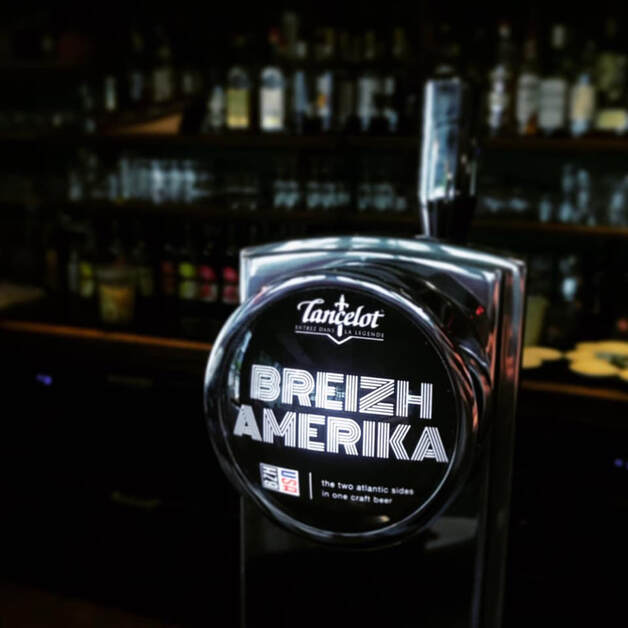 Exemples de bières IPA bretonnesLa Breizh Amerika IPA brassée par Lancelot dans le Morbihan fait figure d'incontournable. Cette bière marie subtilement les traditions bretonnes et américaines. Son amertume franche mais équilibrée est soutenue par un corps ample et une robe cuivrée profonde. Brassée avec du seigle, la Skumenn Rye IPA est une blonde fruitée et finement amère où les saveurs de houblon règnent en maître ! Ses notes agrumes et épicées ainsi que son amertume marquée en font une valeur sûre des IPA bretonnes. Venant de l'île de Groix, la GX IPA de la brasserie éponyme allie la force naturelle d'une bière peu sucrée à l'intensité de houblons aromatiques. Le résultat est une IPA brute de caractère, très houblonnée, à la robe ambrée profonde et aux arômes résineux. La diversité des IPA bretonnes n'a décidément plus de secrets pour satisfaire tous les amateurs de bières houblonnées ! Du fruité à l'amaresque en passant par le malté, il y en a pour tous les goûts. Accords mets et bière avec une IPAAliments à essayer Les IPA sont des bières parfaites pour accompagner de nombreux plats grâce à leur belle amertume et leurs riches arômes houblonnés. Elles se marient à merveille avec les viandes épicées ou grillées comme un bon steak au poivre, des travers de porc laqués ou encore des fajitas. Les IPA font également d'excellents accords avec les plats indiens ou thaïlandais très relevés, où leur amertume aide à couper les épices. Elles se accordent aussi très bien avec les fromages à pâte persillée, les charcuteries ou encore les plats iodés comme les poissons grillés. Aliments à éviter Par contre, il est préférable d'éviter de marier les IPA avec des plats trop gras ou lourds qui risqueraient de rendre l'amertume désagréable. Les viandes blanches simples ou les poissons peu relevés manquent aussi de caractère pour bien s'accorder. On évitera également les accompagnements trop sucrés comme certains desserts, qui peuvent créer des contrastes désagréables avec l'amertume houblonnée des IPA. Enfin, ces bières intenses sont à déguster avec modération pour ne pas se lasser de leurs arômes prononcés.  ConclusionLes bières IPA séduisent les amateurs par leur caractère affirmé et leur large palette d'arômes intenses. Qu'elle soit West Coast, New England, Session ou Imperial, chaque style d'IPA a sa propre signature aromatique, de l'amertume houblonnée emblématique aux notes fruitées, agrumes, herbacées ou épicées plus ou moins marquées. En Bretagne, les brasseries artisanales se sont emparées de ce style incontournable pour proposer leurs propres IPA locales mêlant saveurs régionales et tradition brassicole. Un véritable trait d'union entre le terroir breton et la bière d'aujourd'hui ! Alors n'hésitez plus, laissez-vous tenter par le caractère houblonné unique des IPA !  Who was Saint Yves?Brittany, a cultural region in northwestern France, is home to a revered saint whose legacy has endured for centuries. Saint Yves, also known as Ivo of Kermartin, is the Patron Saint of Brittany, venerated for his unwavering commitment to justice and advocacy for the poor. This blog post aims to provide an in-depth look at Saint Yves, his remarkable life, and the lasting impact he has had on Brittany and beyond. Discovering Saint Yves: The Patron Saint of BrittanyBorn in 1253 in Kermartin, a small village in Brittany, Saint Yves grew up in humble circumstances. His parents, members of the local nobility, instilled in him values of humility and compassion from an early age. Recognizing his intellectual prowess, they encouraged him to pursue higher education, and he eventually studied civil and canon law at the prestigious universities of Paris and Orleans. Ordained as a priest in 1284, Saint Yves dedicated his life to serving the poor and upholding justice. He became known for his tireless work as an advocate, taking on cases pro bono for those who could not afford legal representation. His reputation for integrity and fairness spread throughout Brittany, and he was often sought out to resolve disputes and provide counsel. Saint Yves' selfless devotion to his faith and his unwavering commitment to justice did not go unnoticed. In 1347, Pope Clement VI canonized him, recognizing his exceptional virtues and the miracles attributed to him. Today, the feast day of Saint Yves is celebrated annually on May 19th, a day of great significance for the people of Brittany. 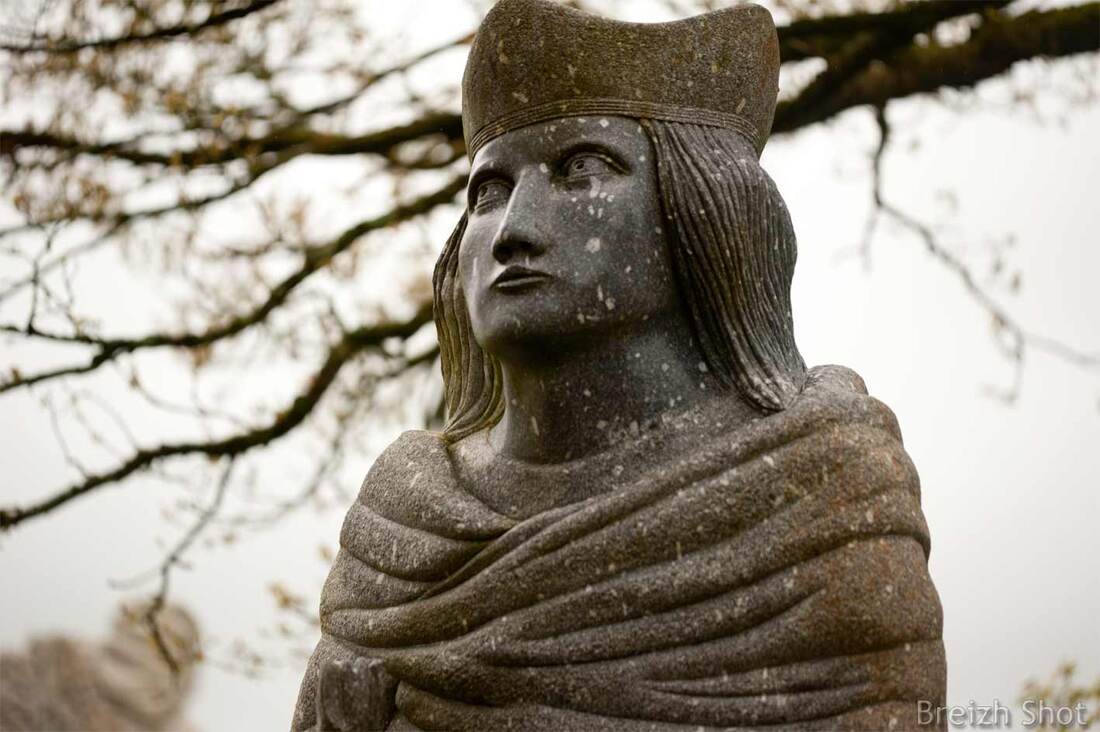 The Legacy of Saint Yves: Why He Matters TodaySaint Yves' legacy extends far beyond the borders of Brittany. He is recognized as the "Advocate of the Poor" and is revered as the patron saint of lawyers, a testament to his dedication to upholding justice and protecting the rights of the underprivileged. His life serves as an inspiration to legal professionals, reminding them of the sacred duty to defend the vulnerable and seek truth and fairness. In Brittany, Saint Yves is celebrated with great reverence and devotion. The annual Pardon of Saint Yves, a religious and cultural tradition, attracts thousands of pilgrims and visitors to the town of Tréguier. Processions, masses, and community gatherings are held to honor the saint and commemorate his life and works. These celebrations are deeply rooted in Breton culture and serve as a testament to the enduring influence of Saint Yves. While Saint Yves lived centuries ago, his legacy continues to resonate in modern discussions of legal and social justice. His unwavering commitment to advocating for the poor and marginalized serves as a powerful reminder of the importance of equal access to justice and the protection of human rights. Saint Yves' life and teachings continue to inspire generations of legal professionals, activists, and advocates working towards a more just and equitable society. Understanding the Pardon of Saint Yves: A Unique Breton TraditionThe Pardon of Saint Yves, a unique Breton tradition, has its roots in the centuries-old religious and cultural practices of Brittany. Shortly after Saint Yves' canonization, pilgrims began flocking to Tréguier, where he had lived and worked, to seek his intercession and honor his memory. This annual gathering evolved into a grand celebration, blending religious devotion with local customs and traditions. Today, the Pardon of Saint Yves is a vibrant and colorful event that draws thousands of participants from across Brittany and beyond. The highlight of the celebration is the grand procession, where a life-size statue of Saint Yves is carried through the streets of Tréguier, accompanied by religious officials, local dignitaries, and the faithful. Masses are held at the Tréguier Cathedral, and community gatherings, feasts, and cultural performances take place throughout the town. For those who have attended the Pardon of Saint Yves, the experience is often deeply moving and profound. Participants share stories of finding solace and inspiration in the celebrations, with many attributing personal miracles and blessings to the intercession of Saint Yves. The event serves as a powerful reminder of the enduring legacy of the saint and the resilience of Breton culture and traditions. 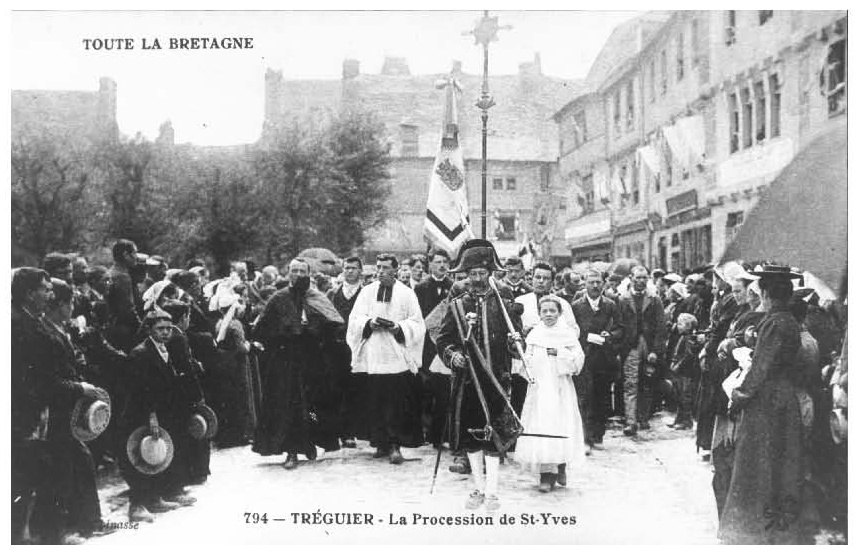 Saint Yves in Art and Literature: A Cultural IconSaint Yves' influence on the arts is evident throughout Brittany and beyond. Numerous statues, paintings, and stained glass windows depict his likeness, capturing his humility, wisdom, and commitment to justice. Notable works include the exquisite stained glass windows at the Tréguier Cathedral, which vividly portray scenes from Saint Yves' life, and the statue at the Place du Martray in Rennes, where he is depicted holding a book and a purse, symbolizing his dedication to knowledge and charity. Saint Yves' life and deeds have inspired numerous literary works and hagiographies (biographies of saints) throughout the centuries. These texts, often written by his contemporaries or later Breton authors, provide invaluable insights into his life, character, and the miracles attributed to him. Saint Yves' legacy has also influenced Breton folklore and literature, with his story being woven into traditional tales and legends. In recent years, Saint Yves' story has been brought to life through various forms of modern media. Documentaries, films, and contemporary retellings have explored his life, work, and enduring impact on Breton culture and society. These modern interpretations aim to introduce Saint Yves to a wider audience, ensuring that his message of justice, compassion, and advocacy continues to inspire future generations. 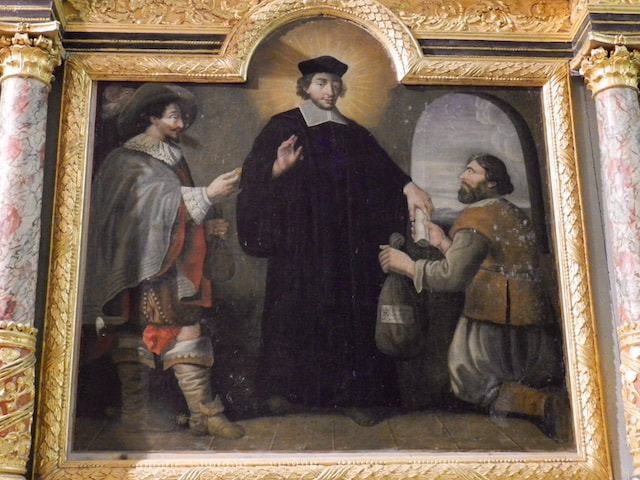 The Historical Context of Saint Yves: Medieval BrittanyTo fully understand the significance of Saint Yves' life and work, it is essential to consider the historical and social context of medieval Brittany. In the 13th century, Brittany was a distinct cultural region with its own language, traditions, and social structures. The society was largely agricultural, with a hierarchical system that included nobility, clergy, and peasantry. Daily life was heavily influenced by the teachings of the Catholic Church and the prevailing societal norms of the time. During the Middle Ages, the Church played a central role in shaping society and the legal system. Canon law, derived from religious teachings, governed many aspects of life, including matters of justice and dispute resolution. Saint Yves, as a priest and legal scholar, navigated this complex system, using his knowledge and moral authority to advocate for those who could not defend themselves. Saint Yves' life was shaped by several significant historical events that impacted Brittany and the surrounding regions. War between England and France often caught Brittany in the crossfire of the conflict. Additionally, the rise of the Breton ducal dynasty and the ongoing struggles for power and autonomy within the region influenced the social and political landscape in which Saint Yves lived and worked. FAQ About Saint YvesWhy is Saint Yves the Patron Saint of Lawyers?Saint Yves is revered as the patron saint of lawyers due to his exceptional legal acumen and his unwavering commitment to advocating for justice. As a skilled jurist and advocate, he dedicated his life to defending the rights of the poor and marginalized, often taking on cases pro bono. His integrity, fairness, and tireless pursuit of justice have made him a revered figure among legal professionals worldwide. What Miracles are Attributed to Saint Yves?One of the most famous miracles attributed to Saint Yves occurred after his death. According to accounts, a man who had been wrongfully accused and sentenced to death invoked Saint Yves' name, and the executioner's sword miraculously broke upon striking his neck, sparing his life. This miraculous event is often depicted in artistic representations of the saint and has become a symbol of his commitment to justice and protection of the innocent. How is Saint Yves Celebrated Outside of Brittany?While Saint Yves is primarily venerated in Brittany, his legacy has transcended geographical boundaries. Bretons living around the world celebrate Saint Yves' feast day on May 19th as part of the larger Fête de la Bretagne, or the Feast of Brittany. This annual celebration, observed by Breton communities worldwide, honors the rich cultural heritage of Brittany and pays homage to its patron saint, Saint Yves. In various parts of France, as well as in countries with significant Breton diaspora communities, churches and institutions have been dedicated to Saint Yves' name. Legal professionals, in particular, often hold the saint in high regard and celebrate his feast day with special masses and ceremonies honoring his life and work as an advocate for justice. The Fête de la Bretagne is a vibrant and colorful event that brings together Bretons from all walks of life, united in their celebration of their shared identity and reverence for Saint Yves. Festivals, concerts, and cultural events are organized, showcasing traditional Breton music, dance, and cuisine. The day is also an opportunity for Bretons to honor their roots and pass on their rich heritage to younger generations. Whether in Brittany or abroad, the celebration of Saint Yves and the Fête de la Bretagne serves as a powerful reminder of the enduring influence of this remarkable saint and the deep-rooted pride that Bretons hold for their cultural identity. 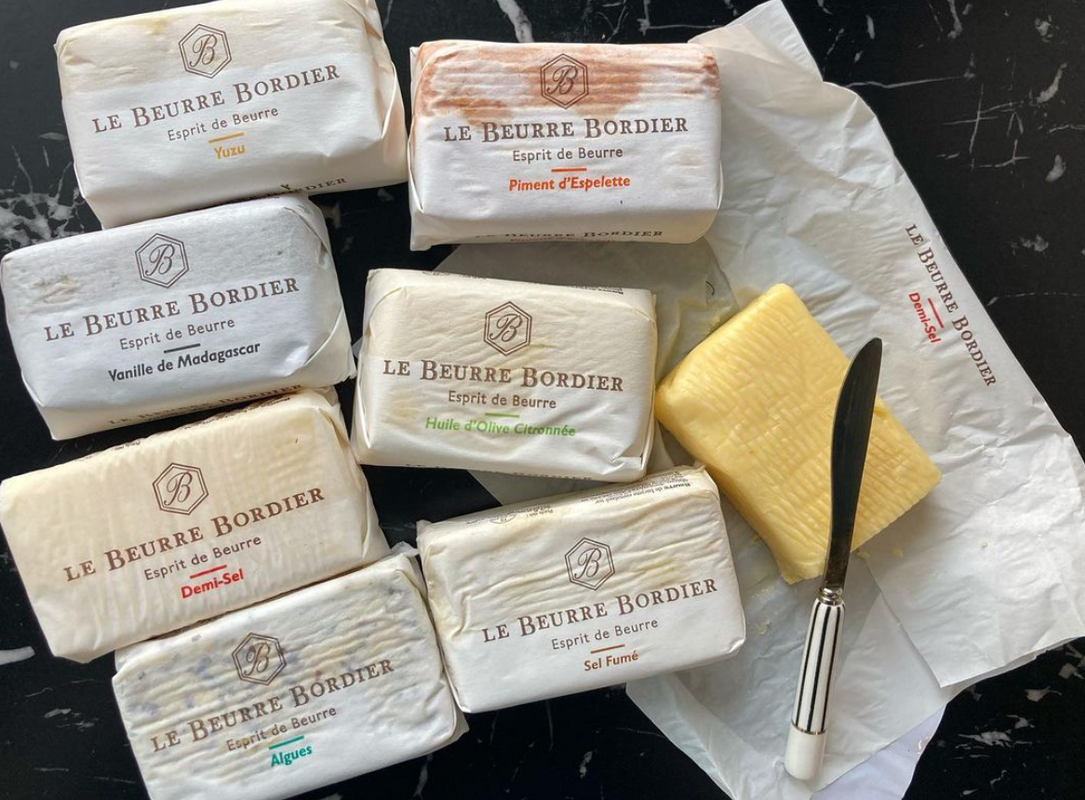 Bordier Butter is not just any butter; it's a gourmet experience that elevates your culinary creations to a whole new level. Ever wondered what makes Bordier Butter the epitome of luxury? This blog reveals the intricate process and unique craftsmanship behind this premium brand. We'll dive deep into its rich history, distinct flavors, and why top chefs around the world swear by it. Stay with us to uncover the secret that turns simple bread and butter into a mouthwatering delight. The Secret Behind Bordier Butter's Luxurious Taste- Unique production steps - Special role of salt - Hand-crafted excellence The Unique Production ProcessStep 1: Sourcing the Best CreamThe first critical step in crafting Bordier Butter is sourcing the highest quality cream. This isn’t just ordinary cream; it’s exclusively collected from cows grazing on the lush, green pastures of Brittany, France. The terroir of this region significantly impacts the flavor profile of the cream, ensuring a distinct taste that sets Bordier Butter apart. Cows graze on diverse grasses and flowers, imparting subtle yet complex flavor notes into the cream. Step 2: Traditional Churning MethodsOnce the finest cream is procured, it undergoes traditional churning methods that date back centuries. Unlike mass-produced butters, Bordier utilizes an age-old technique known as "baratte" churning. This method involves slowly kneading the cream, allowing it to develop an unmatched creamy texture and rich flavor that modern, high-speed processes simply can't replicate. This step alone is the crux of why Bordier Butter is revered by chefs worldwide. Step 3: Hand-Crafting and MoldingAfter churning, the butter is hand-crafted and molded. Skilled artisans meticulously work to knead the butter by hand, ensuring uniformity and the ideal spreadability. During this stage, the butter takes on the perfect texture and shape, making it not only a culinary delight but also a visual masterpiece. Hand-crafting adds to the uniqueness of each batch, making no two butters exactly alike. The Role of Salt in Bordier ButterDifferent Types of Salt UsedBordier Butter's exclusive taste also owes much to the types of salt used. Various salts are used, including Guérande sea salt and Himalayan pink salt, each bringing its unique mineral composition and adding layers of flavor. Guérande sea salt is especially treasured for its delicate crystallization and slight moisture content, which enhances the mouthfeel of the butter. The Salting ProcessThe salting process is an intricate step where precision matters. Salt is meticulously added by hand to perfectly balance the butter’s richness and creaminess. This method not only preserves the butter but also amplifies its natural flavors. The addition of salt also introduces a slight crunch, offering a delightful contrast to the butter’s smooth, creamy texture. This step is critical in achieving Bordier’s signature taste recognized universally. By understanding these finely-tuned processes and details, it becomes clear why Bordier Butter stands head and shoulders above the rest in terms of taste and craftsmanship. Why Bordier Butter Stands OutTL;DR - Beloved by top chefs and food enthusiasts. - Elevates bread, pastries, and gourmet dishes. First-Hand Experiences from Chefs and Food EnthusiastsRenowned chefs across the globe are singing the praises of Bordier Butter. Its creamy texture and rich flavor have become a staple in the kitchens of Michelin-starred establishments. For instance, **Chef Alain Ducasse** is known to incorporate Bordier Butter into many of his dishes, regularly highlighting its unparalleled quality. This type of endorsement isn't bought; it's earned through consistent excellence. **Chef Eric Ripert** of Le Bernardin in New York credits Bordier's unique crafting process for the butter’s superior consistency and taste, which allows for better control and depth in his culinary creations. This butter isn't just an ingredient; it’s a testament to artisanal perfection. Food Enthusiasts' ReviewsFood enthusiasts and bloggers amplify the acclaim, sharing their euphoric first bites with their followers. Many describe the experience as tasting butter for the first time. Gourmet food bloggers often feature Bordier Butter in their reviews, detailing its impeccable balance of salty and sweet notes. The consensus is clear—it transforms a simple bread or pastry into a gourmet event. Culinary forums are abuzz with discussions about the lush mouthfeel and how it enhances both simple and complex recipes. These grassroots testimonials add invaluable credibility, resonating deeply with potential buyers who trust peer reviews. Pairing Bordier Butter with Other FoodsBordier Butter is more than a mere spread when paired with bread and pastries. Its dense and luxurious texture complements the crusty exterior and soft interior of artisanal bread. Baguettes and sourdough reach new heights when accompanied by this butter, providing a harmonious blend of textures and flavors. For pastries, Bordier becomes integral, not just an add-on. Croissants, for example, benefit immensely from its application, reinforcing the buttery layers and adding a slight salinity that contrasts perfectly with the dough’s inherent sweetness. Using Bordier Butter in CookingIncorporating Bordier Butter into cooking elevates dishes from ordinary to extraordinary. Consider a simple Beurre Blanc sauce**—when made with Bordier, it transforms into a decadent, velvety emulsion that coats seafood effortlessly. This butter's high smoke point means it's equally suited for sautéing vegetables or searing meats, offering both rich flavor and a beautiful, even browning. Bakers, too, find Bordier to be indispensable: in pie crusts, it creates flakiness and moisture unmatched by regular butter. By unraveling why Bordier Butter stands out, we move closer to understanding how its acclaim and versatility distinguish it in the gourmet world.  The History of Bordier ButterBordier Butter traces its origins back to the small village of La Maison du Beurre in Brittany, France. The tradition of butter-making in this region can be dated back centuries, characterized by meticulous craftsmanship and a commitment to quality. Jean-Yves Bordier, an artisan butter maker, took these time-honored techniques and added his own innovative twists to create the luxurious product we know today. Jean-Yves Bordier began his butter-making career in 1985, focusing on the art of kneading and maturing butter. This process wasn't just about taste; it was about texture and consistency. Bordier Butter's distinctive qualities stem from its unique production process, which involves blending milk from local farms and using traditional wooden paddles to knead the butter. This ensures an impeccably smooth texture that's hard to match. Expansion and Global ReachFrom its humble beginnings, Bordier Butter has expanded its reach far beyond the borders of Brittany. The brand's commitment to excellence has resonated globally, making it a sought-after product in gourmet kitchens worldwide. Chefs from Michelin-starred restaurants use Bordier Butter to elevate their dishes, a testament to its unmatched quality. Throughout the years, Bordier Butter has not only captivated the taste buds of culinary professionals but also gained a loyal following among food enthusiasts. Its presence in top-tier grocery stores and specialty shops around the globe makes it accessible to a wider audience, allowing more people to experience its luxurious texture and taste. Different Varieties of Bordier ButterOne of the first decisions you'll face when choosing Bordier Butter is whether to opt for unsalted or salted. Unsalted butter is often the go-to for baking, providing greater control over the seasoning in recipes. On the other hand, salted butter offers a richer, more complex flavor profile that's perfect for spreading on fresh bread or incorporating into savory dishes. Bordier's salted butter isn't just typical table salt; it includes carefully selected sea salts, which contribute to its unique taste. The salinity enhances the natural creaminess of the butter, making it a versatile addition to both sweet and savory dishes. Flavored VarietiesBordier Butter is renowned for its variety of flavored options, which includes ingredients like seaweed, espelette pepper, and even yuzu. These flavored butters provide an extraordinary culinary experience, adding an extra dimension to simple meals. Using fresh, high-quality ingredients, Bordier's artisanal methods allow the flavors to meld seamlessly with the butter. The result is a product that elevates everything from a slice of toast to a gourmet entrée. Whether you crave a hint of spice or a touch of citrus, there's a Bordier Butter flavor to suit every palate.  Frequently Asked Questions About Bordier ButterWhat Makes Bordier Butter Different from Other Butters? Bordier Butter stands out due to its artisanal methods, high-quality ingredients, and innovative flavors. The traditional kneading technique, combined with the use of wooden paddles, produces an extraordinarily smooth texture. The meticulous selection of local cream and unique flavor infusions also sets it apart from mass-produced butters. Where Can I Buy Bordier Butter? Bordier Butter can be found in specialty food stores, high-end grocery shops, and gourmet markets worldwide. It is also available online through various gourmet retailers, allowing you to experience its luxury no matter where you are located. 🚩MANUAL CHECK - Update with a list of reliable online retailers and current availability. Is Bordier Butter Worth the Price? The premium price of Bordier Butter reflects its superior quality and artisanal craftsmanship. For those who appreciate fine food, the exceptional taste and texture make it a worthwhile investment. Its unique flavors and rich creaminess provide an unparalleled culinary experience, justifying the cost for many butter enthusiasts. Discover the Heart of Luxury: Bordier ButterBordier Butter stands out because of its traditional craftsmanship, meticulous ingredient selection, and the distinct hand-kneading process, setting it apart as the epitome of luxury.
Understanding the dedication and expertise that go into each pat of Bordier Butter highlights its unparalleled quality and prestige. It’s not just a product; it’s a testament to the artistry and passion of master butter makers. Ready to elevate your culinary offerings? Seek out Bordier Butter for your business and discover first-hand the difference it makes. What's holding you back from bringing this slice of luxury to your clients? Experience the magic for yourself. Explore, taste, and indulge in the exceptional world of Bordier Butter. Where to buy in USA? FRENCHERY - The World's Best Culinary Experience Campbell, CA, United States Murray's Cheese - Grand Central Midtown East · New York, NY, United States Wild Child Wines Lafayette, LA, United States |
Categories
All
Blog Archives
June 2024
Breizh Amerikais an organization established to create, facilitate, promote, and sponsor wide-ranging innovative and collaborative cultural and economic projects that strengthen and foster relations and cooperation between the United States of America and the region of Brittany, France. 
|
 RSS Feed

Copyright 2014 - All rights reserved - Breizh Amerika - Privacy Policy